
Contactors
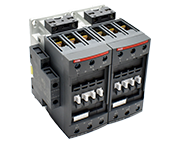
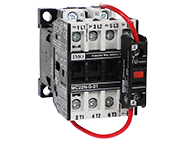
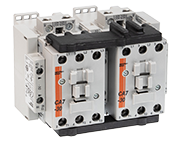
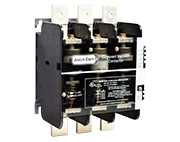
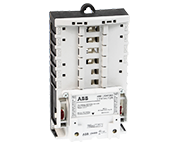
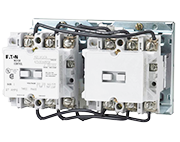
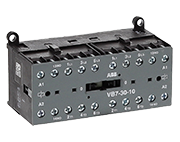
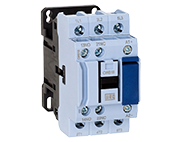
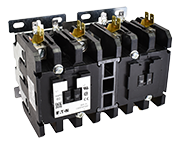
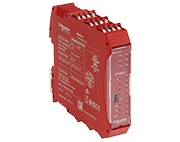
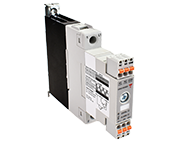
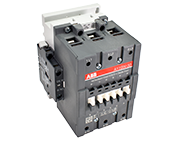
Industrial Contactors for Motor and Load Control
Contactors are electrically controlled switches designed to control high-power loads from a low-power control circuit. In automation and control systems they are used to start and stop motors, switch heating elements, and manage large lighting loads while keeping operators and control equipment isolated from line voltage.
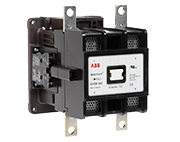
A typical contactor includes an electromagnet coil, main power contacts, and auxiliary contacts enclosed in a protective housing. When the coil is energized, the contacts close to connect the load; when power is removed, the circuit opens to safely disconnect power.
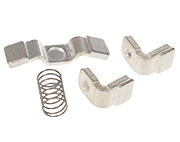
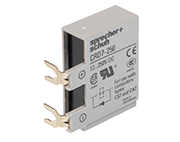
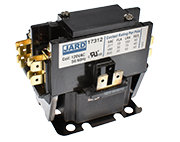
Galco offers contactors for a wide range of applications, including AC non-reversing and AC reversing motor contactors, definite purpose contactors for HVAC and general-purpose loads, miniature and mechanically interlocked contactors for compact panels, lighting and safety contactors for critical circuits, and solid state contactors and vacuum contactors for high-duty or harsh environments. You can also find contact replacement kits and contactor accessories to service existing equipment.
Frequently Asked Questions
What is the difference between a contactor and a relay?
Both switch electrical circuits, but contactors are designed for higher power loads, frequent operation, and motor control applications. Relays are typically used for low-power signal switching or logic-level control.
How do I size a contactor for a motor load?
Sizing is based on full load amperage, voltage, duty class, and starting method. AC-3 duty ratings are common for standard induction motors, while AC-4 is used for plugging and inching. Always confirm overload protection requirements and coordination with upstream breakers or fuses.
What causes contactor failures in industrial systems?
Common causes include coil overvoltage, undervoltage, contaminated contacts, mechanical wear, frequent cycling beyond rating, and improper load sizing. Ensuring proper ventilation and coordination with overload protection extends operating life.
What are the key specifications to compare when selecting a contactor?
When choosing a contactor, technicians typically review:
- Voltage and current ratings of the load
- AC-3, AC-4, or DC duty classifications
- Coil voltage and inrush characteristics
- Number of auxiliary contacts required
- Mechanical and electrical endurance
- Short circuit protection requirements and coordination with upstream devices
- Environmental factors such as temperature, vibration, and enclosure ratings
Matching these specifications to the application reduces heat buildup, prevents premature failure, and ensures compatibility with existing control systems.