
I/O Modules
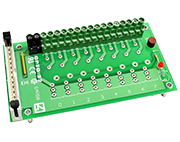
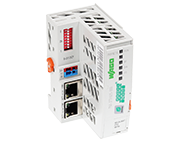
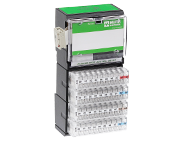
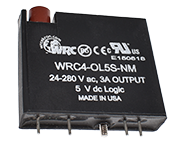
Input, Output and I/O Systems for Industrial Automation
I/O modules provide the physical interface between field devices and automation controllers. They bring signals from sensors, switches, and transducers into the control system and send commands to actuators, valves, contactors, and other loads, enabling machines and processes to be monitored and controlled.
Input modules accept digital or analog signals from the field and convert them into electrical levels or data formats that a PLC or remote I/O system can read. Output modules take control signals from the controller and switch or drive connected devices. I/O boards and modular I/O systems bundle multiple channels and communication options into compact packages that mount in panels or on DIN rail.
Modern I/O modules support common industrial networks and serial interfaces, making it easier to distribute I/O closer to the process while keeping controllers and operator stations in convenient locations. Galco's selection of input modules, output modules, I/O boards, and I/O systems helps OEMs and maintenance teams match signal type, channel count, and network compatibility to each application.
Frequently Asked Questions
What is the difference between digital and analog I/O modules?
Digital modules detect on/off states such as switch positions, relay outputs, and discrete sensors. Analog modules interpret continuously variable signals such as 4–20 mA loops, 0–10 V signals, thermocouples, or RTDs. Digital I/O is used for simple logic control, while analog I/O enables precise measurement and monitoring.
Can I/O modules from different PLC brands be used together?
Generally, no. Most I/O modules are designed to work with a specific PLC family or series. Even within the same brand, modules must match the correct backplane, communication interface, and firmware version. Remote I/O or fieldbus-based systems may offer more flexibility but still require protocol compatibility.
How do I determine how many I/O channels I need?
Start by listing all inputs and outputs required by the machine or process: sensors, switches, alarms, valves, motors, and feedback devices. Consider future expansion, redundancy needs, and spare channels. Many engineers size systems to include 10–30% unused capacity for future modifications.