
Solenoids
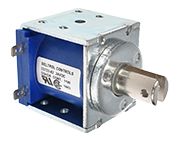
Industrial Solenoids for Mechanical, Fluid and Process Control
Solenoids are electromechanical actuators that convert electrical energy into linear motion. When a coil is energized, it creates a magnetic field that moves a plunger or armature, providing a push or pull force that can operate mechanical linkages, latches, brakes, or valve mechanisms in industrial equipment.
In automation and control applications, solenoids are often driven by outputs from PLCs, relays, or other control devices to create fast, repeatable motion on command. They can be used to open and close mechanisms, engage or release mechanical stops, or operate fluid-control devices such as solenoid pilot valve in hydraulic and pneumatic systems. Key selection factors include coil voltage and frequency, stroke length, force rating, duty cycle, and mounting style to match the required motion and available control signal.
Galco offers a range of solenoids for industrial and OEM applications, allowing designers and maintenance teams to choose devices with the right voltage, force, travel, and mechanical configuration for their machines and process equipment.
Frequently Asked Questions
How do I choose the right coil voltage for a solenoid?
Choose a coil voltage that matches the control system or power supply used in your application. Common options include low-voltage DC for control circuits and AC voltages for industrial panel control. Always verify the voltage and power requirements printed on the solenoid’s datasheet.
Do solenoids require maintenance?
Solenoids generally require minimal maintenance. Periodic inspection for coil heating, wiring integrity, and mechanical wear is recommended. In fluid applications, checking for debris or contamination that could affect valve sealing or motion is also useful.
Can a solenoid valve be installed in any orientation?
Some solenoid valves can be mounted in any position, while others require upright or horizontal mounting to ensure proper flow and sealing. Always refer to the manufacturer’s installation guidelines for correct orientation.