
Circuit Protection
Circuit protection devices such as circuit breakers and fuses safeguard equipment and personnel against overloads, short circuits, and faults. Whether resettable breakers or replaceable fuses, these components are essential for ensuring electrical safety, minimizing downtime, and extending the life of industrial and commercial systems.
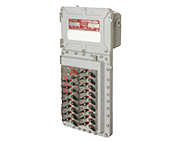
We can't find products matching the selection.
Shop By
Circuit Protection for Electrical Safety and System Reliability
Circuit breakers and fuses protect against overload and short circuits for all types of applications.
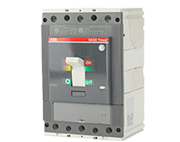
A circuit breaker is an automatically-operated electrical switch designed to protect an electrical circuit from damage caused by excess current, typically resulting from an overload or short circuit. The circuit breaker trips to interrupt the circuit, and can be reset and reused.
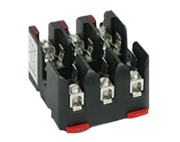
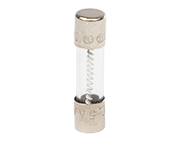
Fuses provide the same protection. If too much current flows through the fuse, a metal link in the fuse body will melt, interrupting the circuit. A fuse can only trip and open the circuit once, so it must be replaced or repaired to complete the circuit again. Fuses are typically installed in fuse blocks and holders, either for storage or to consolidate fuses in one, easily maintained location.
Common Types of Circuit Protection Devices
Industrial circuit protection systems rely on multiple device types, each serving a specific role:
- Circuit breakers that automatically interrupt current during overload or short-circuit conditions and can be reset after a fault.
- Fuses that provide fast-acting protection by opening the circuit when current exceeds a safe limit.
- Surge protection devices (SPDs) that divert transient voltage spikes caused by lightning, switching events, or power disturbances.
- Overload protection devices designed to protect motors and equipment from sustained overcurrent conditions.
- Ground fault circuit breakers and related protection devices that detect leakage currents and reduce the risk of electrical shock or fire.
- Supplementary protectors used to protect control circuits and sensitive electronics.
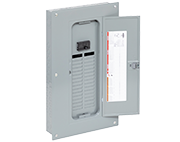
Together, these components form a layered protection strategy that keeps electrical systems safe, compliant, and reliable. For larger electrical distribution applications, circuit protection may also be organized through load centers and panel boards.
Frequently Asked Questions
What is the difference between a circuit breaker and a fuse?
A circuit breaker interrupts current during a fault and can be reset once the issue is resolved. A fuse provides one-time protection by melting and opening the circuit when its current rating is exceeded and must be replaced after operation. Breakers are often used where reset capability is needed, while fuses are preferred for fast, precise fault protection.
How do I choose the correct circuit protection device?
Selection depends on system voltage, current rating, fault current, response time, and application type. Consider whether the circuit protects motors, control electronics, or power distribution, as well as environmental factors and applicable safety standards. Coordination with upstream and downstream protection devices is also critical.
Why is surge protection important in industrial environments?
Surge protection devices protect equipment from transient voltage spikes caused by lightning, switching operations, or utility disturbances. Without surge protection, sensitive electronics such as PLCs, HMIs, drives, and power supplies can be damaged, leading to unexpected downtime and expensive repairs.