
Load Centers
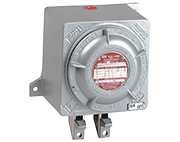
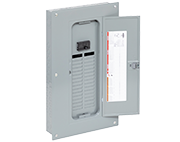
Load Centers for Power Distribution and Electrical Panels
Load centers serve as centralized distribution points for electrical power within a building or industrial system. They house circuit breakers that distribute incoming power to branch circuits while providing overcurrent protection and a structured layout for wiring.
In industrial and commercial environments, load centers help organize electrical systems, simplify maintenance, and improve overall safety. By clearly separating circuits and protecting them with properly rated breakers, load centers reduce the risk of overloads, short circuits, and electrical faults.
Types of Load Centers
Load centers are available in several configurations depending on application requirements:
- Main breaker load centers that include a single main disconnect breaker controlling power to all branch circuits.
- Main lug load centers used when a main disconnect is located upstream, common in subpanel installations.
- Indoor load centers designed for dry, protected environments such as control rooms or electrical closets.
- Outdoor or weather-rated load centers with sealed enclosures for exterior or harsh environments.
- Surface-mount and flush-mount panels depending on installation space and enclosure design.
- Single-phase and three-phase load centers suited for different power distribution systems.
Each type supports specific breaker formats and system voltages, allowing flexibility in electrical system design.
Key Considerations When Selecting a Load Center
Selecting the correct load center involves evaluating several technical and installation factors:
- Voltage and phase configuration matching the facility's power supply.
- Number of available breaker spaces to support current and future circuits.
- Main breaker vs. main lug configuration depending on system design.
- Compatibility with circuit breaker types used in the system.
- Enclosure rating and environmental protection for indoor or outdoor installations.
- Mounting style and physical dimensions to fit available space.
- Compliance with applicable electrical codes and standards.
Choosing a properly sized and rated load center improves safety, simplifies expansion, and ensures long-term reliability.
Frequently Asked Questions
What is the difference between a load center and a panelboard?
Load centers are typically used for branch circuit distribution in residential, commercial, and light industrial applications and are designed for plug-in breakers. Panelboards are often used in heavier commercial or industrial systems and may support bolt-on breakers and higher current ratings.
When should I use a main breaker load center?
A main breaker load center is used when the panel itself must provide a single disconnecting means for all branch circuits. This is common when the load center is the first point of distribution or when required by electrical code for safety and maintenance.
Can load centers be expanded later?
Yes. Many load centers include extra breaker spaces to support future expansion. When selecting a load center, it's best to plan for additional circuits to avoid replacing the panel as the system grows.