
Panel Boards
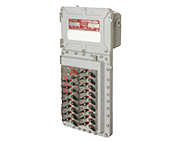
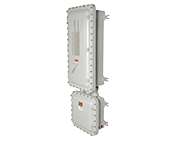
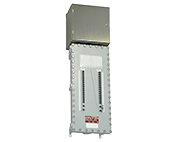
Panelboards for High-Capacity Electrical Distribution
Panelboards are centralized electrical distribution assemblies used to divide incoming electrical power into multiple branch circuits while providing overcurrent protection. They house circuit breakers or fusible switches and are commonly used in commercial and industrial facilities where higher current capacity and structured power distribution are required.
Compared to load centers, panelboards are typically designed for larger systems, supporting higher amperage feeders, bolt-on breakers, and more complex distribution requirements. Their modular design simplifies maintenance, improves safety, and ensures compliance with electrical codes.
Types of Industrial Panel Boards
Industrial panelboards are available in several configurations depending on system requirements:
- Main breaker panelboards that include a single main overcurrent device controlling all downstream circuits.
- Main lug panelboards used when a disconnecting means is provided upstream.
- Lighting and appliance panelboards designed for branch circuits serving lighting, receptacles, and general loads.
- Power panelboards built for higher current loads, feeders, and industrial equipment.
- Indoor panelboards for dry, controlled environments.
- Outdoor or enclosed panelboards with weather-rated housings for harsh or exterior installations.
Each configuration supports specific voltage ratings, breaker types, and installation needs.
Key Selection Criteria for Panel Boards
When selecting a panelboard, several technical and installation factors should be evaluated:
- Voltage, phase, and amperage rating matching the facility's electrical systems.
- Main device configuration, such as main breaker or main lugs.
- Number of branch circuit spaces and allowance for future expansion.
- Breaker type compatibility, including bolt-on or plug-in styles.
- Short-circuit and interrupting ratings appropriate for available fault current.
- Enclosure type and environmental rating for indoor or outdoor use.
- Compliance with applicable electrical standards and codes.
Choosing the correct panelboard ensures safe distribution, easier system expansion, and long-term operational reliability.
Frequently Asked Questions
Can panel boards be customized for specific applications?
Yes. Many panel boards support configurable breaker layouts, different main device options, and various enclosure types. This flexibility allows panelboards to be tailored to lighting loads, power distribution, or specific industrial equipment requirements.
Are panelboards suitable for three-phase systems?
Yes. Panelboards are commonly used in three-phase power distribution systems for commercial and industrial applications. Always verify voltage, phase configuration, and breaker compatibility before selection.