
Connectors, Cordsets & Terminals
Connectors, cordsets, and terminals provide reliable power distribution and signal transfer in industrial environments. Properly matched cables, terminals, and power distribution blocks ensure safe connections, while cable management accessories like conduit and ducts help reduce interference and improve panel organization.
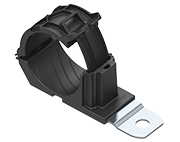
Cable Clamps
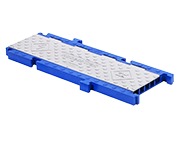
Cable Protectors
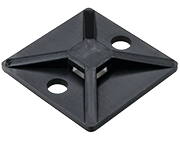
Cable Tie Mounts
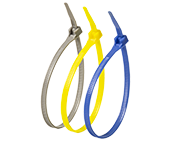
Cable Ties
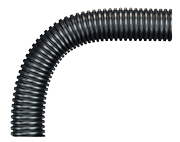
Conduit
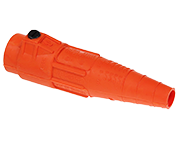
Connectors
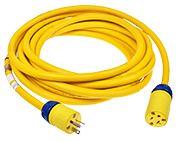
Cordsets
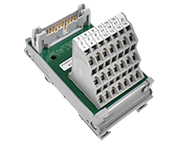
DIN Rail Interface Modules
Grounding
Panel & Computer Interface Cables
Power Distribution Blocks
Raceways
Remote Access Interfaces
Shrink Tubing
Terminal Blocks
Terminals
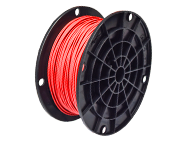
Wire & Cable
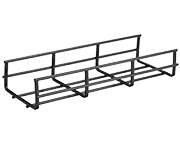
Wire Basket Trays
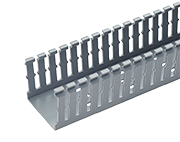
Wire Duct
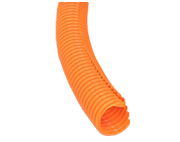
Wire Harnesses
Wire Identification
Industrial Connectors, Cordsets & Terminals
Wires and cables are used to bear electrical loads and communications signals. Using the proper gauges, lengths, and types is an important consideration in power distribution and industrial networking.
Cables meet equipment at terminals and terminal blocks, or have specific connectors to meet certain equipment standards or fit specific receptacles. Cables can also connect to a power distribution block to power multiple components or devices from a single power source. Finally, cables can terminate at different adapters or modules to facilitate remote access, DIN rail installation, and more.
Adequate cable management is accomplished with conduit, ducts, harnesses, and ties. Grouping or separating like cables and wires can reduce clutter on a control panel or reduce interference and noise.
Types of Connectors, Cordsets, and Terminals
Industrial connection solutions are available in a wide range of configurations to support different electrical and mechanical requirements:
- Industrial connectors used to join cables, devices, and equipment with secure locking mechanisms for vibration resistance and repeatable connections.
- Cordsets that provide pre-terminated cable assemblies for fast installation of sensors, actuators, and field devices.
- Terminal blocks designed for organized wire termination, distribution, and circuit separation within control panels.
- Ring, spade, and fork terminals that provide secure crimped connections to studs or screws.
- Pin and socket terminals used in multi-conductor connectors and harness assemblies.
- DIN rail terminals that support modular panel layouts and standardized wiring practices.
Together, these products support scalable wiring architectures that simplify system expansion and maintenance.
Key Selection Criteria for Connectors and Termination Products
Choosing the correct connectors, cordsets, or terminals requires evaluating several technical factors:
- Voltage and current ratings appropriate for the application
- Wire size, conductor type, and insulation compatibility
- Environmental conditions such as temperature, moisture, dust, or vibration
- Connector style, locking mechanism, and mating cycles
- Termination method, including screw clamp, spring clamp, crimp, or insulation displacement
- Compliance with applicable electrical standards and approvals
- Panel space, mounting method, and installation requirements
Selecting properly rated and compatible connection products helps ensure long-term reliability and reduces the risk of loose connections, overheating, or signal degradation.
Frequently Asked Questions
When should I use pre-terminated cordsets instead of field wiring?
Pre-terminated cordsets are ideal when fast installation, consistent wiring quality, and reduced labor time are important. They are commonly used for sensors, actuators, and field devices where standardized lengths and connectors simplify maintenance and replacement.
How do I choose the correct terminal for my application?
Terminal selection depends on wire size, conductor type, current rating, mounting method, and environmental conditions. It is also important to consider the termination style and compatibility with the equipment or terminal block being used to ensure a secure and compliant connection.
Are industrial connectors suitable for harsh environments?
Yes. Many industrial connectors are designed for harsh environments and feature sealed housings, high ingress protection (IP) ratings, and vibration-resistant locking mechanisms. Always verify environmental ratings to ensure suitability for the application.