
Power Distribution Blocks
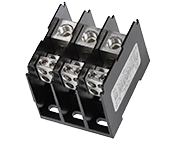
Power Distribution Blocks
Power distribution blocks are the simplest way to provide a fixed junction point to split primary power into secondary circuits. Designed for panels, power blocks come with a variety of mounting options and simple input/output configurations.
The blocks are built to support a fixed number of poles, and usually accept 1 or 2 primary inputs per pole. Depending on the component, the number of outputs per pole can reach up to 30 concurrent connections on the load side.
With support for standard line voltage ratings, high current ratings, modularity, and the effective combination of distribution blocks and circuit breakers, power distribution blocks can increase the short circuit current rating of a panel without sacrificing panel space and flexibility.
How to Select the Right Power Distribution Block
When choosing a power distribution block, consider the following technical factors:
- Current rating: Ensure the block's current rating matches or exceeds the maximum expected load.
- Voltage rating: Confirm voltage compatibility with the system's power supply.
- Number of circuits: Choose a block with sufficient output terminals for all required branch feeds.
- Conductor size range: Verify the input and output conductor ranges to match cable gauges used in the installation.
- Material and insulation: Select blocks with appropriate insulating housings and conductive materials (such as copper or aluminium) for long-term reliability.
- Mounting approach: Consider whether surface mount, DIN rail mount, or panel mount blocks fit your enclosure design.
Proper selection improves electrical performance, reduces installation errors, and helps maintain compliance with electrical safety practices.
Frequently Asked Questions
Can power distribution blocks handle multiple incoming power feeds?
Yes. Double-feed and multi-pole distribution blocks provide multiple input terminals for separate power sources or phases, offering flexibility in design and redundancy.
How does short-circuit rating apply to power distribution blocks?
Short-circuit rating defines the maximum fault current a distribution block can withstand under specified conditions. Proper SCCR selection is important in industrial control panels where available fault current may be high.
Can power distribution blocks be used as a replacement for splicing?
Yes. Distribution blocks provide a safer and more serviceable alternative to wire splicing by offering dedicated termination points and organized branch distribution inside control panels.