
Raceways
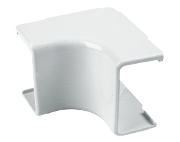
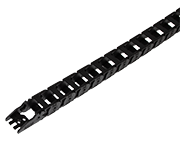
Raceways
Cable raceways are structured pathways designed to route, protect, and organize electrical wires and cables in industrial environments, electrical enclosures, and control panels. They establish defined channels for conductors, reducing clutter, protecting insulation from abrasion, and improving access for installation and maintenance.
In industrial wiring systems, raceways help separate different classes of wiring (power, control, signal, and communication), support compliance with panel workmanship standards, and provide secure routing in areas exposed to vibration, movement, or mechanical stress.
Cable raceways are commonly used alongside other cable management products such as wire duct and cable ties to ensure structured cable pathways within electrical enclosures and equipment.
How to Choose the Right Raceway for Your Application
Selecting an appropriate cable raceway depends on several factors:
- Cable volume and size, which determines the raceway cross-section and capacity
- Environmental exposure, such as moisture, chemicals, temperature, or outdoor installation
- Movement or flexibility needs if cables are subject to bending or vibration
- Access requirements, including whether frequent wire exits are needed for terminations
- Panel or enclosure layout, including compatibility with DIN rails, backplanes, and other wiring channels
Consider how the raceway will integrate with other cable management components like cable clamps and cable protectors to create a cohesive wiring solution that supports long-term serviceability.
Frequently Asked Questions
When should I use slotted raceways instead of solid raceways?
Slotted raceways are ideal when frequent access to conductors is needed for terminations, testing, or modifications. Solid raceways provide maximum protection where cable access is limited.
Can raceways be used for both power and control cables?
Yes, but best practice is to separate power and low-level control or communication cables into different raceways or compartments to reduce electrical interference and improve safety.
How does raceway fill capacity affect cable performance?
Overfilled raceways can restrict airflow, increase heat buildup, and make cable routing difficult. Maintaining spare capacity improves thermal performance and allows for future cable additions.
Are raceways compatible with DIN rail-mounted components?
Yes. Raceways are commonly installed alongside DIN rail-mounted terminal blocks, relays, and interface modules to provide structured cable routing between devices.