
Wire Duct
Wire Duct
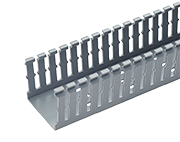
Wire duct is used to route, protect, and organize electrical cables and wires. Rigid and flexible in a variety of sizes are best suited for use in control panels and cabinets, when wires and cables need to be inserted, dropped, or pulled into place.
Self-adhesive duct installed along a panel surface allows for easy access to cables, and many options feature a pronged, cover-free design, so individual cables and wires can be added to or removed from the duct without hassle. Made of flexible PVC, the duct can be cut with scissors or a knife to the desired length. PVC also has high impact resistance, so it won't snap under heavy physical loads, and self-extinguishing properties to reduce fire hazard.
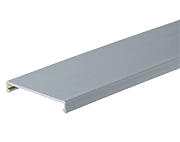
Several slot size variations are available from narrow to wide to ensure a precise fit in a crowded cabinet. For better protection, covers can be installed over the opening.
How to Choose the Right Wire Duct for Panel Wiring
Selecting wire duct begins with determining the required duct size based on conductor count, wire diameter, and allowable fill. Proper sizing helps maintain airflow, prevents overcrowding, and supports future wiring additions.
Slot spacing and duct style should match termination requirements. A slotted duct is preferred when frequent conductor exits are required, while a solid duct may be used for additional protection or containment.
Material ratings should also be considered, including flame resistance and operating temperature limits for industrial control environments. Wire duct should integrate cleanly with enclosure dimensions, DIN rail layouts, and termination points to maintain an organized and serviceable wiring system.
Frequently Asked Questions
What fill capacity should be considered when selecting wire duct?
Wire duct should not be overfilled. Adequate internal space is required for airflow, easy conductor placement, and future wiring changes. An overcrowded duct can increase heat buildup and make maintenance difficult.
Can wire duct be used in outdoor or washdown enclosures?
Wire duct is primarily designed for indoor control panels. In harsh environments, enclosure sealing and material compatibility must be considered, and alternative cable management methods may be required.
Can wire duct be used for high voltage conductors?
Wire duct can route higher voltage conductors when properly separated and sized, but conductor spacing, insulation ratings, and applicable code requirements must be followed. High-voltage routing typically requires additional segregation from low-level control wiring.
Are there wire duct options designed for high-density PLC cabinets?
Yes. Finger duct and multi-channel duct configurations are commonly used in PLC cabinets with large I/O counts. These designs support structured separation of wiring groups and efficient use of enclosure space.