
Electronic Components
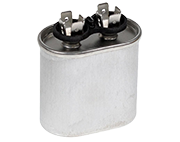
Electronic components such as resistors, capacitors, varistors, and transducers are the building blocks of reliable circuits. These passive devices manage current, filter signals, and convert energy forms to keep automation systems stable and efficient across industrial and commercial applications.
We can't find products matching the selection.
Shop By
Industrial Electronic Components for Circuit Control and Stability
Industrial electronic components help control current, store and release electrical energy, reduce voltage spikes, and support stable circuit performance in automation, manufacturing, and electrical systems. These components are often used inside control panels, power supplies, drives, instrumentation, and other equipment where reliable signal behavior and circuit protection are critical.
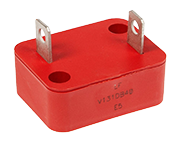
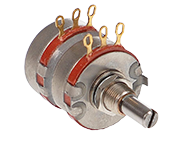
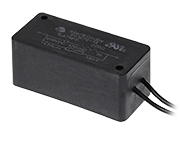
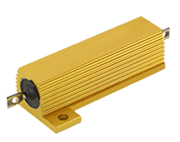
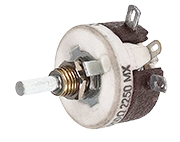
Common electronic components include resistors for limiting current, capacitors for storing charge and filtering signals, metal oxide varistors for suppressing voltage transients, and RC networks for filtering, timing and snubber applications. Adjustable components such as potentiometers and rheostats are used when resistance needs to be manually varied within a circuit.
Selecting the correct industrial electronic components depends on the circuit function, voltage, current, resistance, capacitance, tolerance, power rating, and environmental conditions. Components used in automation and control, power electrical and process instrumentation systems should be chosen carefully to match the application, prevent premature failure and support long-term equipment reliability.
Frequently Asked Questions
What are industrial electronic components used for?
Industrial electronic components are used to control, filter, protect, and stabilize electrical circuits. Components such as resistors, capacitors, and varistors help manage current, voltage, and signal behavior in industrial equipment, control panels, and automation systems.
How do I choose the correct electronic component?
Start by identifying what the component needs to do in the circuit, such as limiting current, filtering noise, storing charge, or suppressing voltage spikes. Then compare the required voltage, current, resistance, capacitance, tolerance, and power rating against the application requirements. For surge or transient protection, metal oxide varistors may be more appropriate than standard resistive components.
What is the difference between fixed and variable electronic components?
Fixed components provide a set electrical value, such as a fixed resistance or capacitance, while variable components allow the value to be adjusted manually. For example, fixed resistors are used when a circuit requires a consistent resistance value, while potentiometers and rheostats are used when resistance needs to be adjusted for tuning, calibration or manual control.