
Enclosures, Fans & Thermal Management
Electrical enclosures protect sensitive equipment from dust, moisture, and other hazards. Thermal management products such as fans, heaters, thermostats, and vortex coolers regulate internal conditions to prevent overheating, corrosion, or freeze damage, ensuring long-lasting system performance.
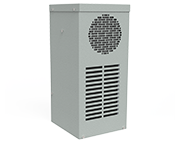
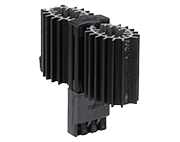
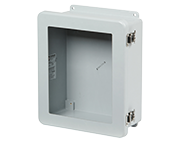
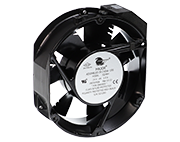
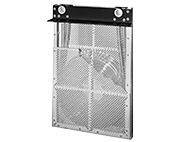
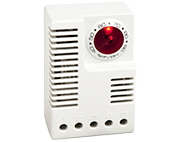
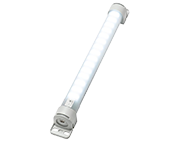
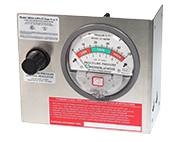
Industrial Enclosures & Thermal Management Components
An electrical enclosure is a cabinet or housing used to mount, organize and protect electrical and electronic components from the surrounding environment. Enclosures are designed to shield sensitive equipment from dust, moisture, impact and unauthorized access while supporting safe, code-compliant installations. A wide range of enclosures are available in different sizes, materials and protection ratings to meet industrial, commercial and outdoor application requirements.
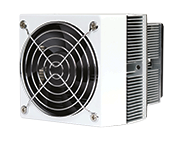
Maintaining proper internal conditions is critical to equipment reliability. Thermal management components such as fans, air conditioners, heat exchangers and thermoelectric coolers help regulate temperature, prevent overheating and extend the service life of installed components.
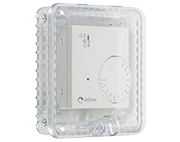
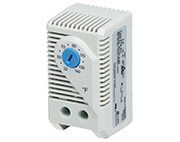
In colder or high-humidity environments, additional controls are often required. Enclosure heaters help prevent condensation and freezing, while hygrostats and thermostats monitor and regulate internal conditions to reduce corrosion and thermal stress. Protective accessories such as thermostat guards help maintain accurate control in demanding installations.
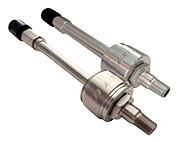
Specialized solutions are used in applications with unique environmental challenges. Vortex tubes provide localized cooling without moving parts, while purge and pressurization systems protect enclosure interiors in hazardous or contaminated environments by maintaining positive internal pressure.
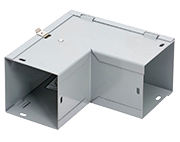
Supporting components such as enclosure lighting improve visibility during installation and maintenance, and wireway systems help route and protect wiring inside and between enclosures. Together, these products support the reliable operation of control panels, automation systems and industrial equipment.
Frequently Asked Questions
What factors determine the correct enclosure cooling method?
The appropriate cooling method depends on heat load, ambient temperature, enclosure size and environmental conditions. Light heat loads may be managed with fans, while higher internal temperatures or sealed enclosures often require air conditioners, heat exchangers or thermoelectric cooling.
How is enclosure heat load calculated?
Heat load is calculated by combining internal heat generated by components with external heat gained from the surrounding environment. Factors such as power dissipation, enclosure size, ambient temperature and solar exposure are used to determine the required cooling capacity.
How does enclosure sealing affect cooling strategy?
Sealed enclosures limit airflow, which may require closed-loop cooling solutions such as air conditioners or heat exchangers. Open or vented enclosures can often rely on filtered fans to manage internal temperatures.
Why is humidity control important in electrical enclosures?
Excess humidity can lead to condensation, corrosion and insulation breakdown. Using hygrostats and heaters helps maintain internal humidity levels and protects sensitive electronics from moisture-related failures.