
Enclosures
Electrical Enclosures for Equipment Protection and System Integration
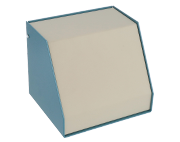
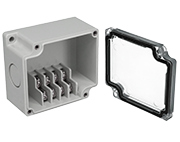
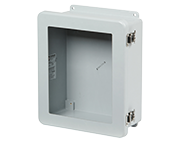
An electrical enclosure is a cabinet or housing used to mount, organize, and protect electronic and electrical components from environmental exposure and physical damage. Enclosures are designed to safeguard equipment from dust, moisture, impact, and unauthorized access while supporting safe, reliable operation in industrial, commercial, and outdoor environments.
Enclosures are commonly differentiated by their protection ratings, most often defined by NEMA standards or IP ratings for IEC applications. These ratings indicate the level of protection against elements such as water, dust, and corrosive conditions. Enclosure types range from general-purpose indoor cabinets to weather-resistant, watertight, and fully submersible designs. Certain enclosures are also rated for hazardous locations where resistance to explosions or hazardous materials is required.
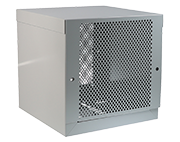
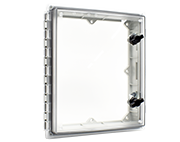
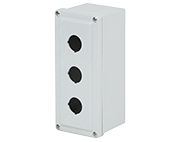
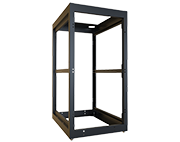
Electrical enclosures are available in multiple mounting configurations to match installation requirements. Common options include wall mount enclosures for space-efficient installations, floor mount enclosures for larger control systems, rack mount enclosures for structured equipment layouts, and terminal enclosures designed for wire termination and distribution.
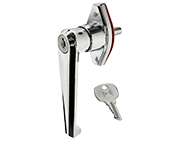
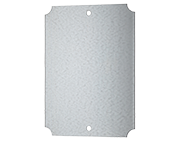
Modern enclosures are manufactured from durable materials such as stainless steel, aluminum, fiberglass, and polycarbonate to meet different strength, corrosion resistance, and weight requirements. Many designs are highly configurable, allowing selection of doors, panels, mounting plates, and accessories to suit specific applications.
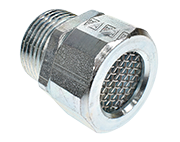
To support long-term performance, enclosures may be equipped with accessories such as drains and vents, which help manage internal moisture and airflow while preserving enclosure ratings. Proper enclosure selection and configuration play a critical role in protecting equipment and maintaining reliable system operation.
Frequently Asked Questions
How do I choose the correct electrical enclosure for my application?
Selecting the correct enclosure depends on environmental exposure, mounting requirements, enclosure size, and protection rating. Factors such as indoor versus outdoor use, moisture, dust, washdown conditions, and hazardous location requirements all influence enclosure selection.
What is the difference between NEMA ratings and IP ratings?
NEMA ratings describe enclosure protection against environmental hazards such as water, dust, and corrosion using performance-based standards. IP ratings use a numerical system to define protection against solids and liquids. Both systems help determine suitability for specific operating conditions.
When should a wall-mount enclosure be used?
Wall mount enclosures are commonly used when space is limited or when equipment needs to be installed at eye level for access and maintenance. They are ideal for control panels, junction boxes, and small automation systems.
What applications require floor mount enclosures?
Floor mount enclosures are typically used for larger systems that require more internal space, such as motor control centers, large PLC systems, and power distribution equipment.