
Controllers
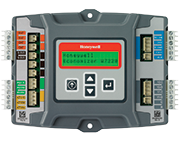
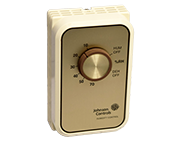
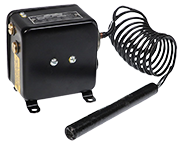
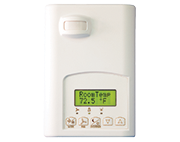
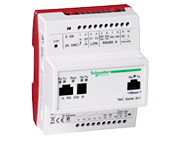
HVAC controllers are used to regulate the operation of heating or air conditioning systems in a building, plant, or room.
HVAC control systems use sensing devices like thermostats, humidistats, and process controllers to compare the actual state of an environment with a predetermined setpoint. Controllers then turn on or turn off heaters, air conditioners, and fans to adjust the ambient temperature and humidity to match the target state.
HVAC controllers use a combination of analog and digital inputs and outputs to perform a variety of actions, including taking measurements, starting and stopping equipment, and opening or closing valves, dampers, and more.
Types of HVAC Controllers
HVAC controllers manage system sequencing, setpoints, and equipment control for heating, cooling, ventilation, and humidity control. They are used to coordinate sensors, actuators, and controlled devices to maintain stable conditions.
- Controllers used for temperature and HVAC equipment sequencing.
- Controllers selected for integration with sensors and control outputs.
- Controllers used for building or facility HVAC control workflows.
For monitoring inputs used with controllers, see HVAC Sensors. For control devices in HVAC circuits, browse HVAC Relays.
Key Selection Criteria for HVAC Controllers
- Control function and system type (heating, cooling, ventilation, humidity control).
- I/O requirements and signal compatibility with sensors and actuators.
- Power requirements and wiring method.
- Operating environment and enclosure/mounting constraints.
- Serviceability, configuration needs, and documentation availability.
Choosing a controller that matches system requirements helps improve stability and simplifies commissioning.
Frequently Asked Questions
What are HVAC controllers used for?
HVAC controllers are used to manage sequencing and control logic for heating, cooling, ventilation, and related climate control functions.
What should I confirm for I/O and signal compatibility?
Confirm input types from sensors, required outputs for relays/actuators, and whether the controller supports the signals and wiring method used in your system.
How do I choose a controller for my HVAC system type?
Start with the equipment being controlled and required control functions, then match I/O, power, and environmental requirements to the controller specifications.