
Dampers
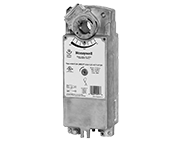
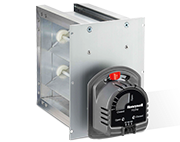
A damper is a device that regulates airflow inside ducts or chimneys. They are standard components in HVAC systems, used for zone-by-zone temperature and climate control.
Most modern dampers are automatically operated and controlled by damper actuators, which are in turn controlled by HVAC controllers like thermostats and other building automation systems. Electronic damper actuators provide greater damper control with modulating and floating functions. They are ideal for variable-air-volume installations to control return air, mixed air, exhaust, and bypass dampers.
Dampers can also be used to prevent the spread of fire and smoke, with properly-rated dampers and damper actuators. These systems meet specific safety requirements and feature fast-acting mechanisms.
Types of HVAC Dampers
HVAC dampers control airflow in duct systems and air handling equipment. They are used to balance airflow, isolate zones, and support ventilation control strategies.
- Dampers used for manual airflow balancing and adjustment.
- Dampers used for zoning and controlled airflow management.
- Dampers selected for integration with actuators and control systems where applicable.
For control and monitoring components commonly used alongside dampers, see Controllers and HVAC Sensors.
Key Selection Criteria for HVAC Dampers
- Duct size and required damper dimensions.
- Airflow control needs and allowable leakage requirements where applicable.
- Material and durability requirements based on environment.
- Installation constraints and access for service.
- Actuation requirements (manual vs. actuator-ready) where applicable.
Selecting the correct damper supports stable airflow control and helps maintain consistent zone performance.
Frequently Asked Questions
What are HVAC dampers used for?
Dampers are used to regulate and balance airflow in duct systems, isolate zones, and support ventilation control strategies.
What should I confirm for size and installation?
Confirm duct dimensions, installation orientation, mounting needs, and access for adjustment and maintenance.
When do I need an actuated damper vs. manual control?
Use actuated dampers when airflow needs to change automatically based on control logic. Manual dampers are typically used for fixed balancing adjustments.