
HVAC Sensors
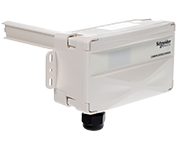
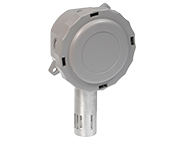
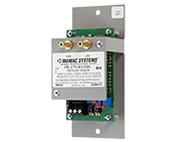
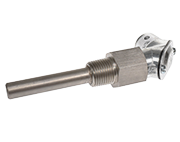
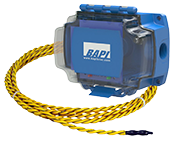
HVAC Sensors
An HVAC sensor is any device used to measure the conditions of an enclosed space, room, or building. HVAC sensors include thermostats, humidistats, carbon dioxide sensors, pressure sensors, and more.
HVAC sensors are connected to equipment and regulate air quality. Thermostats measure temperature, switching heaters and air conditioners on and off so that the measured temperature matches a predetermined setpoint. Humidistats measure humidity and work with thermostats and heaters to protect equipment from condensation and corrosion. Carbon dioxide sensors monitor air quality and regulate ventilation to maintain a comfortable environment. Pressure sensors monitor and adjust airflow.
HVAC sensors are ultimately responsible for the efficiency of the entire HVAC system and the overall air quality of the environment.
Types of HVAC Sensors
HVAC sensors provide inputs for building climate control and equipment monitoring. They are used to measure conditions such as temperature, humidity, pressure, or system status so controllers can maintain stable operation.
- Sensors used for temperature and environmental monitoring.
- Sensors selected for humidity and moisture-related control needs.
- Sensors used for status feedback and monitoring in HVAC systems.
For control devices that use sensor inputs, see Controllers.
Key Selection Criteria for HVAC Sensors
- Measurement type and range required (temperature/humidity/pressure/status).
- Accuracy and repeatability needs for the application.
- Output signal compatibility with the controller or BAS.
- Mounting style and installation environment.
- Serviceability and calibration/maintenance considerations.
Matching sensor output and mounting style to the system makes integration easier and improves reliability.
Frequently Asked Questions
What are HVAC sensors used for?
They are used to measure system conditions and provide inputs for HVAC control, monitoring, and alarms.
What should I confirm for measurement range and accuracy?
Confirm the expected operating range and required accuracy for the environment, then match to sensor specifications and placement.
How do I choose sensors for controller compatibility?
Confirm the controller's input requirements and match the sensor's output signal, power needs, and wiring method to the system design.