
Motors, Drives & Accessories
Motors and drives power automation by converting energy into motion. Variable frequency drives (VFDs), motor brakes, encoders, and accessories improve precision, energy efficiency, and control. From conveyors to robotics, these solutions are essential to modern industrial applications.
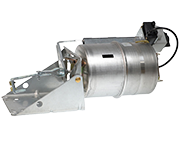
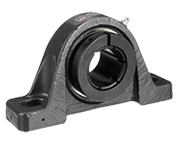
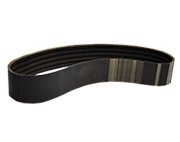
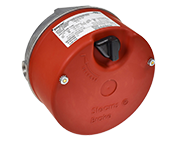
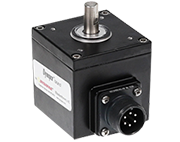
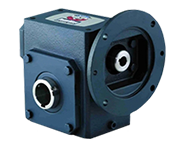
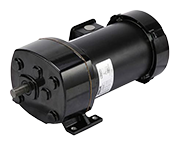
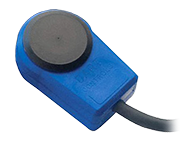
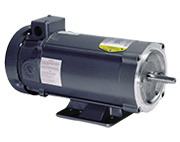
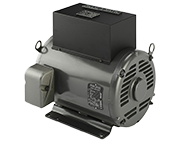
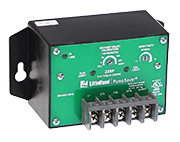
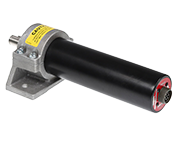
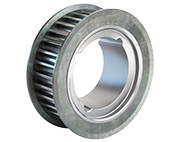
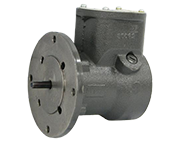
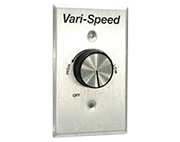
Electric Motors and Motor Control Components for Industrial Automation
Electric motors are the backbone of modern automation systems. They convert electrical energy into mechanical motion, producing torque and rotational movement used to drive industrial loads and processes. Motors are essential components in applications such as pumps, conveyors, fans, compressors, robotics, machine tools, and automated production equipment.
Industrial motor systems rely on a combination of motors, drive technology, and feedback devices to achieve reliable performance and precise motion control. Various motor types are used depending on application requirements, including AC induction motors, DC motors, servo motors, and gearmotors.
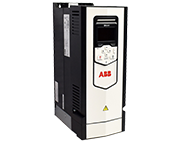
Electric motors are typically integrated with motor control equipment such as variable frequency drives, which regulate motor speed and torque by adjusting input voltage and frequency. This enables improved process control, reduced energy consumption, and smoother machine operation.
Motor performance is further enhanced through the use of motion feedback devices such as encoders, resolvers, and tachometers. These components provide real-time information about motor shaft position and rotational speed, allowing automation systems to maintain accurate motion profiles and synchronized operation.
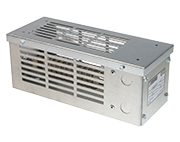
In addition to drive control and feedback devices, motor systems often incorporate supporting components such as braking resistors, motor starters, and protective devices. These accessories help manage motor acceleration and deceleration, protect against overload conditions, and improve overall system safety and reliability.
Electric motors and their associated drives and accessories are critical to achieving efficient power transmission, optimized machine performance, and long-term operational stability in industrial environments.
Frequently Asked Questions
How does a variable frequency drive control motor speed?
A variable frequency drive adjusts the frequency and voltage supplied to the motor, allowing precise control of rotational speed and torque output.
How do encoders improve motor control accuracy?
Encoders generate electrical pulses corresponding to shaft rotation, allowing control systems to monitor position and speed with high precision.
What factors affect motor efficiency?
Motor efficiency is influenced by load conditions, power quality, drive control methods, mechanical losses, and motor design characteristics.