
Protection Relays
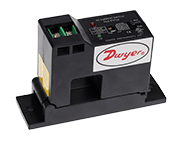
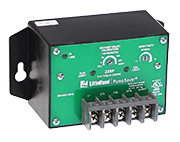
Motor Protection Relays for Equipment Monitoring and Electrical Fault Protection
Protection relays are electronic monitoring devices used to detect abnormal electrical or thermal conditions in motor-driven systems and industrial power circuits. These components help prevent equipment damage, reduce downtime, and improve operational safety by isolating faults and initiating protective actions such as alarms, shutdowns, or control responses.
Modern protection relays are typically microprocessor-based, allowing them to continuously measure electrical variables such as current, voltage, resistance, phase imbalance, and temperature. By comparing real-time measurements to configured setpoints, protection relays can identify overload conditions, short circuits, phase loss, overvoltage, undervoltage, and other potentially damaging events. When a fault condition is detected, the relay can trigger outputs, including indicator signals, network communication alerts, or control commands to disconnect or start equipment.
Protection relays are widely used to safeguard industrial motors, drives, pumps, compressors, conveyors, and power distribution equipment. Accurate fault detection helps extend equipment service life, minimize nuisance trips, and maintain consistent production performance. Their digital design also enables improved diagnostics, reduced maintenance requirements, and more compact control panel layouts than traditional electromechanical relay systems.
Current switches are commonly used in motor protection and monitoring applications to detect load presence, confirm equipment operation, or signal abnormal current conditions. These devices provide simple, reliable status feedback for automation systems and can be integrated with protective relay functions to enhance system visibility.
Integrating protection relays into industrial control systems helps improve equipment reliability, enhance electrical safety, and ensure compliance with modern automation and power system protection standards.
Frequently Asked Questions
What is phase loss protection?
Phase loss protection detects when one phase of a three-phase power supply is missing, which can cause motor overheating and mechanical stress.
Can protection relays communicate with control systems?
Yes, many modern relays support industrial communication protocols to provide status monitoring, alarms, and diagnostic data.
Why is phase imbalance harmful to motors?
Voltage or current imbalance causes uneven heating in motor windings, reducing efficiency and increasing the risk of premature failure.