
Networking & Communication
Industrial networking and communication systems connect machines, sensors, and controllers for secure, real-time data exchange. Ethernet switches, routers, gateways, and wireless devices support protocols like Modbus and DNP3, enabling smarter automation, improved efficiency, and seamless IT/OT integration.
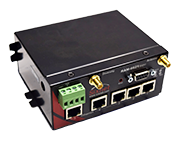
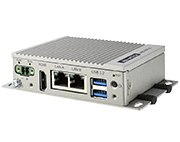
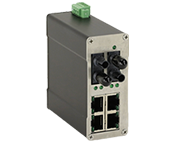
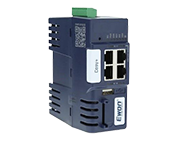
Networking and Communication Equipment for Industrial Automation Systems
Industrial networking and communication equipment enables reliable data exchange between machines, control systems, sensors, and enterprise platforms. These technologies support real-time monitoring, system integration, and efficient operation across modern industrial environments.
Core Networking Components
Industrial networks rely on several key devices to manage and direct data flow:
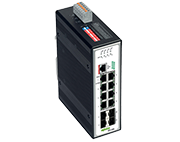
- Ethernet switches connect devices within a network and manage high-speed data traffic
- Gateways & routers enable communication between different networks and protocols
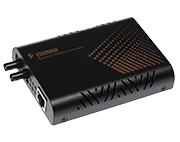
- Media converters convert signals between copper and fiber for flexible network design
Together, these components allow PLCs, HMIs, and SCADA systems to communicate effectively across industrial networks.
Extending and Enhancing Connectivity
In large or complex facilities, additional technologies help expand network reach and performance:
- Ethernet extenders transmit data over longer distances using existing wiring
- Optical data transmitters support high-speed fiber communication for long-range applications
- Power over Ethernet injectors deliver both power and data through a single cable
These solutions help reduce infrastructure costs while maintaining reliable communication.
Wireless and Remote Communication
For remote or mobile applications, wireless technologies play a critical role:
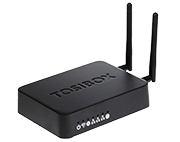
- Cellular M2M devices enable machine-to-machine communication over cellular networks
- VPN solutions provide secure, encrypted communication across public or private networks
These technologies are commonly used in distributed systems, remote monitoring and industrial IoT applications.
Network Infrastructure and Organization
Proper installation and organization are essential for reliable network performance:
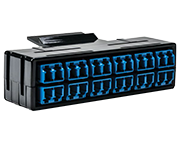
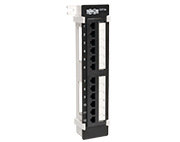
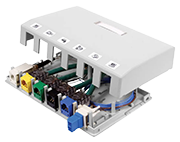
- Network panels and network panel modules organize connections within control cabinets
- Networking boxes provide protection and housing for network components
- Networking accessories such as cables, connectors, and mounting hardware support system expansion and maintenance
These components improve cable management, reduce downtime, and simplify troubleshooting.
Frequently Asked Questions
What industrial protocols are commonly supported by networking equipment?
Industrial networking equipment commonly supports protocols such as Modbus TCP, EtherNet/IP, PROFINET, and DNP3. These protocols enable communication between PLCs, RTUs, sensors, and control systems, allowing for real-time data exchange and interoperability across automation platforms.
What is network latency and why does it matter in industrial systems?
Network latency refers to the time it takes for data to travel from one device to another. In industrial automation systems, low latency is essential for real-time control and monitoring, as delays can impact system performance, synchronization, and overall process reliability.
What is redundancy in industrial networking?
Redundancy refers to the use of backup network paths or devices to ensure continuous operation in case of a failure. Industrial networks often use ring topologies or protocols such as Rapid Spanning Tree Protocol (RSTP) or Media Redundancy Protocol (MRP) to maintain uptime and minimize downtime.
What is Quality of Service (QoS) in industrial networks?
Quality of Service (QoS) is a feature that prioritizes certain types of network traffic to ensure critical data is transmitted reliably and with minimal delay. In industrial systems, QoS is used to prioritize control signals and time-sensitive data over less critical traffic.