
Batteries
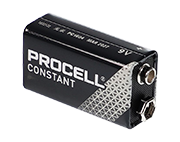
Battery Types for Industrial Equipment and Electrical Systems
Batteries are used to provide stored electrical power for portable devices, backup systems, controls, instrumentation, and industrial equipment. In many applications, the correct battery depends on voltage, chemistry, size, rechargeability, and the demands of the device or system being powered. In industrial environments, batteries are commonly used in portable test and measurement equipment, control devices, backup circuits, alarms, and other electrical components where dependable power is required.
Battery selection often starts with whether the application requires a primary battery or a secondary battery. Primary batteries are single-use and are commonly chosen for low-drain or infrequently used devices that need long shelf life. Secondary batteries are rechargeable and are typically used where batteries are cycled regularly or where replacing disposable batteries would be inefficient. Common industrial battery chemistries include alkaline, lithium, sealed lead-acid, nickel-metal hydride, and other application-specific options, depending on operating conditions and equipment design.
Galco offers batteries for a range of industrial and electrical applications, including replacement batteries used in portable instruments, backup systems, and other equipment across power and electrical environments. Choosing the correct battery means matching the required voltage and physical size first, then confirming chemistry, terminal style, operating environment, expected runtime, and whether the application calls for rechargeable or disposable power.
Key Selection Factors for Industrial Batteries
Choosing the right battery depends on both electrical requirements and how the battery will be used in the field. The voltage must match the equipment exactly, while the battery size and terminal configuration must fit the device or holder correctly. Chemistry also matters because it affects runtime, rechargeability, discharge characteristics, shelf life, and performance in heat, cold, vibration, or demanding industrial conditions.
Application demands should also be considered before selecting a battery. Portable meters and handheld devices may prioritize compact size and replacement convenience, while backup power or control applications may require longer runtime, rechargeability, or a more stable output. In some systems, batteries may work alongside other power supplies, transformers, or power distribution components, making it important to choose a battery that supports the overall electrical design.
Frequently Asked Questions
How do I choose the right battery for my equipment?
Start by matching the required voltage and physical battery size listed by the equipment manufacturer. From there, confirm the battery chemistry, terminal style, and whether the application calls for a disposable or rechargeable option. Runtime, operating environment, and how often the battery will be replaced or recharged can also affect the best choice, especially in portable test and measurement equipment and other industrial electrical applications.
When should I use a rechargeable battery instead of a disposable one?
Rechargeable batteries are often a better fit for devices that are used frequently or would be inconvenient to service with repeated battery replacements. Disposable batteries are often preferred for lower-use equipment, long shelf life, or applications where charging is not practical. In some setups, rechargeable battery systems may also be used alongside compatible power supplies or charging equipment, depending on the device design.
Can I replace a battery with a different type or chemistry?
Only if the equipment manufacturer allows it. Even when two batteries are the same size, differences in chemistry and discharge behavior can affect performance, charging requirements, and compatibility. Matching the original battery specifications is the safest way to ensure reliable operation.