
Insulators
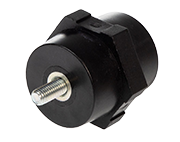
Electrical Insulators for Isolation, Support, and Protection
Electrical insulators are used to separate energized conductors from grounded surfaces, mounting hardware, and nearby components so current stays on its intended path. In industrial electrical systems, they help reduce the risk of short circuits, unintended contact, and power loss while also supporting conductor positioning within the assembly. By maintaining electrical isolation, insulators play an important role in protecting both equipment and system reliability.
Different insulator designs are used for different mounting and spacing needs. Electrical standoff insulators are commonly used to hold conductors away from panels, bus bars, and other mounting surfaces while preserving clearance and insulation. Material selection also matters because different insulators offer different performance characteristics for voltage handling, mechanical strength, heat resistance, moisture exposure, and environmental durability.
Galco offers electrical insulators for a range of industrial power and control applications. Choosing the correct insulator depends on voltage requirements, spacing needs, mounting method, material properties, and the conditions of the installation environment. Proper selection helps support safer installations, maintain conductor isolation, and improve long-term performance across power and electrical systems.
Insulator Selection Considerations
Choosing the right electrical insulator starts with understanding what needs to be isolated and how much spacing the application requires. Voltage level, clearance distance, and mounting configuration all affect which insulator style is appropriate. In many cases, the insulator must do more than prevent electrical contact; it also needs to provide stable mechanical support for the conductor or component it is separating from the surrounding structure.
Material and operating environment are also important factors. Heat, moisture, contamination, vibration, and mechanical load can all influence insulator performance over time. Applications that involve exposed conductors, bus components, or elevated electrical stress may require an insulator with stronger mechanical properties or better resistance to environmental conditions. In some assemblies, insulators are used alongside related components such as isolators and transformers depending on the design of the electrical system.
Frequently Asked Questions
What is an electrical insulator used for?
An electrical insulator is used to prevent current from flowing between an energized conductor and surrounding surfaces or components. It helps maintain electrical separation, reduce the risk of short circuits, and support safer equipment operation.
How do I choose the right electrical insulator?
Start by identifying the voltage level, spacing requirement, mounting method, and mechanical support needs of the application. Then consider material properties and environmental conditions such as heat, moisture, vibration, or contamination that could affect long-term performance.
When should I use a standoff insulator?
A standoff insulator is typically used when a conductor or energized component needs to be held away from a mounting surface while maintaining both electrical isolation and physical support. This is common in panels, bus assemblies, and other industrial electrical installations where spacing and stability are both important.