
Power Factor Correction Capacitors
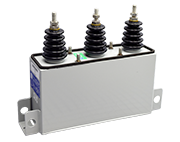
Power Factor Correction Capacitors for Industrial Power Efficiency
Power factor correction capacitors are used to improve power factor in electrical systems with inductive loads such as motors, drives, and transformers. By supplying reactive power locally, they help reduce the amount of reactive current drawn from the source, which can improve electrical efficiency and support better overall system performance. In industrial facilities, they are commonly used to help reduce unnecessary electrical demand, improve voltage conditions, and support more efficient use of available power capacity.
These capacitors are typically selected based on the electrical characteristics of the system and the type of correction required. Some applications use individual units placed near specific loads, while others use grouped or banked configurations depending on how correction needs to be applied across the system. Individual capacitor banks are often used when correction is needed at the equipment level rather than across a broader distribution system. The right selection depends on how much reactive power needs to be corrected and how the electrical system is configured.
Galco offers power factor correction capacitors for industrial electrical applications where improved power factor, better energy utilization, and system efficiency are important. Choosing the correct capacitor depends on capacitor type, voltage, kVAR rating, phase, termination style, mounting method, and enclosure or environmental requirements. Proper selection helps support more efficient electrical operation and improved performance across power and electrical systems.
What to Consider When Selecting Power Factor Correction Capacitors
Selection starts with the electrical characteristics of the system being corrected. Voltage and phase must match the application, while the kVAR rating needs to align with how much reactive power compensation is required. The correct capacitor type also depends on whether correction is being applied to an individual load or as part of a broader correction strategy. Matching the capacitor too aggressively or too lightly can reduce effectiveness, so it is important to size the unit based on the actual load conditions and correction goal.
Installation requirements also play an important role in choosing the right unit. Termination style, mounting method, fusible protection, and enclosure suitability all affect how well the capacitor fits the intended application. In some environments, NEMA rating and physical mounting constraints are especially important where dust, moisture, or harsher operating conditions are present. Power factor correction capacitors are often selected alongside related components such as transformers and power supplies depending on the broader design of the electrical system.
Frequently Asked Questions
What does a power factor correction capacitor do?
A power factor correction capacitor helps reduce the reactive power drawn by inductive loads so the electrical system can operate more efficiently. It is used to improve power factor, support better voltage conditions, and reduce unnecessary demand on the power source.
How do I choose the right power factor correction capacitor?
Start by matching the capacitor to the system voltage, phase, and required kVAR rating. Then consider whether the application needs correction at a specific load or as part of a larger system, along with mounting, termination, and environmental requirements.
When should I use an individual capacitor bank?
An individual capacitor bank is often used when power factor correction is needed close to a specific load, such as a motor or other inductive equipment. This can be useful when correction needs to be applied at the equipment level rather than across a larger section of the electrical system.