
Safety Switches
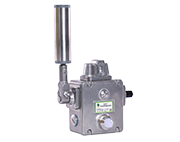
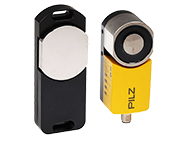
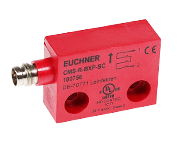
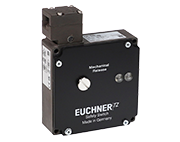
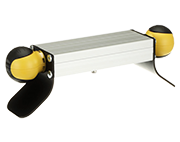
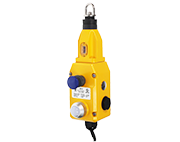
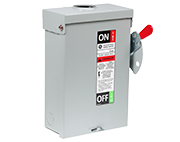
Safety Switches for Machine Isolation and Protective Shutdown
Safety switches are used to help stop equipment operation when access points are opened, unsafe conditions are detected, or a manual shutdown is required for maintenance and service. In industrial environments, they play an important role in machine safety by helping isolate hazardous motion or electrical operation before personnel enter a guarded area or interact with protected equipment. Depending on the design, a safety switch may monitor a guard door, gate, conveyor condition, or access point and trigger a shutdown when the protected condition is no longer met.
Different safety switch types are designed for different machine guarding and protective control needs. Some applications use mechanical safety switches where physical actuator contact is appropriate, while others use coded non-contact or magnetic non-contact designs where reduced wear, tamper resistance, or alignment tolerance is important. More specialized options such as rope switches and belt alignment switches are used in conveyor and material handling applications. The right choice depends on how the hazard needs to be monitored and how the machine is accessed or controlled.
Galco offers safety switches for a wide range of industrial machine protection applications. Choosing the correct switch depends on the guarding method, switch contact arrangement, voltage, connection type, holding or extraction force requirements, and the protection rating needed for the environment. Proper selection helps support safer access, more reliable shutdown performance, and better protection across industrial safety and signaling and power and electrical systems.
Choosing the Right Safety Switch for the Application
Selection starts with how the hazard is being guarded and how the switch will be used within the safety function. A guard door or gate may call for a mechanical or non-contact switch, while conveyor systems may require rope pull or alignment monitoring devices. It is also important to determine whether the application needs solenoid interlocking or a specific guard locking method to help keep the access point secured until safe conditions are met. Switch contacts, voltage, and connection type all need to align with the control system and the way the safety circuit is designed.
Operating environment and mechanical demands should also be considered. Holding force, extraction force, mounting position, vibration, contamination, and washdown exposure can all influence which switch style is most appropriate. In more demanding industrial settings, protection rating can be especially important for maintaining long-term performance. Safety switches are often used alongside related components such as relays, control devices, and other machine safety hardware, depending on how the protective system is built.
Frequently Asked Questions
What is a safety switch used for?
A safety switch is used to help stop or isolate machine operation when a guard door is opened, an unsafe condition is detected, or an operator activates a protective shutdown point. It helps reduce the risk of injury by supporting safer access to equipment during operation, maintenance, or emergencies.
How do I choose the right safety switch?
Start by identifying how the hazard will be monitored, such as a guard door, gate, conveyor, or access point. Then match the switch type, contact arrangement, voltage, connection style, and any locking or interlocking requirements to the application. Environmental conditions and required protection rating should also be considered.
When should I use a non-contact safety switch instead of a mechanical one?
A non-contact safety switch is often a better fit when reduced wear, greater alignment tolerance, or added tamper resistance is important. Mechanical switches are commonly used where direct actuator contact is acceptable, and the guarding setup supports that style of operation. The best choice depends on the machine design, access method, and operating environment.