
Transformers
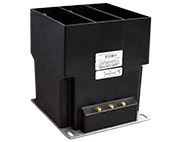
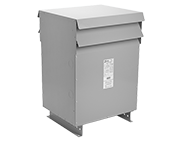
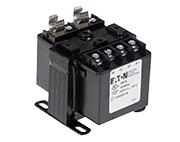
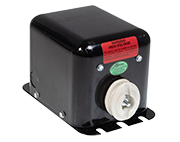
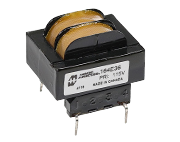
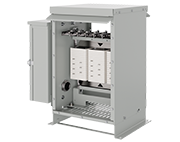
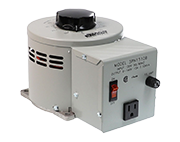
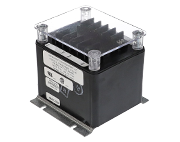
Electrical Transformers for Voltage Conversion, Isolation, and Power Distribution
Electrical transformers are used to transfer energy between circuits through electromagnetic induction so voltage can be stepped up, stepped down, isolated, or stabilized for the application. In industrial electrical systems, transformers are commonly used to supply lower-voltage control circuits, isolate equipment from the main power source, support power distribution, and provide specialized performance for specific types of loads. Their role depends on how power needs to be conditioned and delivered within the system.
Different transformer types are designed for different electrical needs. Some are selected for general voltage conversion, while others are used for isolation, constant voltage regulation, drive-related applications, or measurement functions. For example, general purpose transformers are commonly used for standard industrial power conversion, while drive isolation transformers are used where electrical isolation and protection are important in drive systems. The right transformer depends on the voltage relationship, load characteristics, and the function the transformer needs to serve.
Galco offers transformers for a wide range of industrial power and control applications. Choosing the correct transformer depends on phase, VA rating, primary and secondary voltage, enclosure needs, termination style, and thermal characteristics such as insulation class and temperature rise. Proper selection helps support reliable power delivery, protect connected equipment, and improve long-term performance across power and electrical systems.
What to Consider When Selecting Transformers
Selection starts with the electrical requirements of the application. Primary voltage and secondary voltage need to match the available source and the needs of the load, while phase and VA rating must align with how much power the transformer is expected to handle. It is also important to understand the transformer's role in the system, since a unit used for general step-down power may be very different from one used for isolation, voltage stabilization, or drive support.
Installation and operating conditions also matter. Enclosed versus open designs, termination style, fuseholder options, and thermal characteristics all affect whether the transformer is appropriate for the installation. In industrial environments, insulation class, cover requirements, and temperature rise can be especially important where continuous loading, enclosure constraints, or harsher conditions are involved. Transformers are often used alongside related components such as power supplies, line reactors, and control hardware depending on the broader electrical design.
Frequently Asked Questions
What is an electrical transformer used for?
An electrical transformer is used to change voltage, isolate circuits, or support specialized power conditioning in an AC electrical system. It helps deliver the right electrical characteristics to connected equipment while supporting safer and more reliable operation.
How do I choose the right industrial transformer?
Start by matching the primary and secondary voltage, phase, and VA rating to the application. Then consider whether the transformer is needed for general voltage conversion, isolation, regulation, or another specialized function, along with enclosure, termination, and thermal requirements.
When do I need a specialized transformer instead of a general purpose transformer?
A specialized transformer is often needed when the application requires more than standard voltage conversion, such as isolation for drive systems, constant voltage output, or a design intended for measurement or ignition use. A general purpose transformer is typically used when the need is standard AC power transformation without those added requirements.