
Process & Instrumentation
Process and instrumentation devices monitor, measure, and regulate variables such as temperature, pressure, and flow. Controllers, meters, regulators, and transducers help maintain efficiency, consistency, and safety in industries ranging from manufacturing to chemical processing.
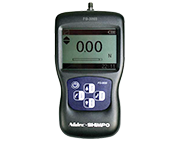
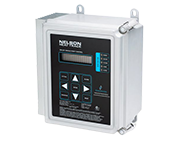
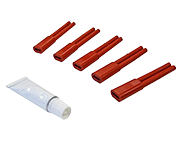
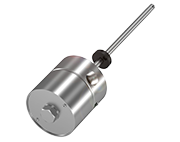
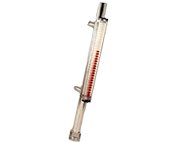
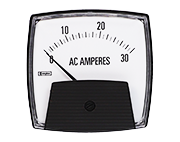
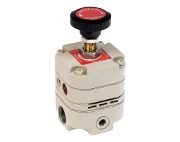

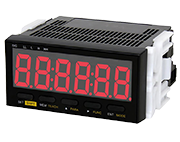
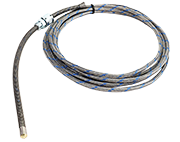
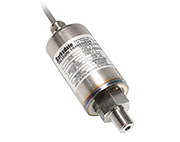
Process and Instrumentation Equipment for Monitoring and Measurement
Process and instrumentation devices are used throughout industrial systems to measure, monitor, display, and regulate critical operating conditions such as temperature, pressure, current, level, flow, force, and rotational speed. These devices provide the data and feedback necessary to maintain process stability, improve efficiency, and support safe operation across manufacturing, utilities, energy, water treatment, and commercial facilities.
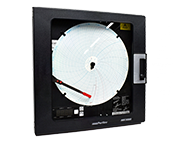
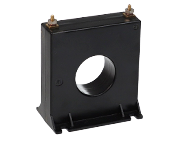
Industrial process and instrumentation equipment includes a broad range of monitoring and measurement technologies designed for both local indication and system-wide control integration. Devices such as panel meters & gauges and chart recorders provide operators with real-time visibility into system performance and long-term process trends. For electrical measurement applications, current transformers and shunts are commonly used to monitor current flow and support power management systems.
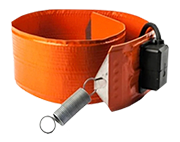
Temperature monitoring and control are also critical in many industrial processes. Components such as thermocouples, temperature probes, and other sensing devices are used to provide accurate temperature feedback for process regulation and equipment protection. In applications where maintaining process temperature is essential, systems may also incorporate heat tracing and drum heaters to prevent freezing, maintain viscosity, or stabilize process conditions in piping and storage containers.
When selecting process and instrumentation equipment, important considerations include measurement range, accuracy, signal compatibility, environmental conditions, response time, and integration with existing control systems. Properly selected instrumentation devices improve process visibility, increase operational reliability, and support more efficient system performance across a wide range of industrial applications.
Frequently Asked Questions
How do instrumentation devices integrate with industrial control systems?
Instrumentation devices collect process data and transmit signals to PLCs, controllers, or monitoring systems, allowing operators and automation equipment to respond to changing process conditions in real time.
How often should process and instrumentation devices be calibrated?
Calibration frequency depends on the application, operating environment, and required level of accuracy, but many industrial facilities perform calibration annually as part of routine maintenance. Critical applications with strict quality or regulatory requirements may require calibration every three to six months, while less demanding applications may allow for longer intervals. Devices exposed to vibration, temperature extremes, or harsh operating conditions often require more frequent verification to maintain accuracy and reliability.
What are common signs that an instrumentation device may be failing?
Erratic readings, slow response, signal loss, inconsistent measurements, or drift outside expected ranges can indicate device degradation or failure.