
Transducers
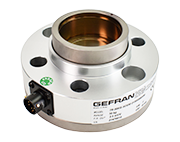
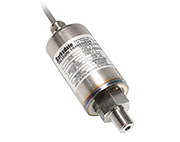
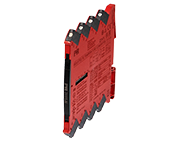
Transducers for Industrial Measurement and Signal Conversion
Transducers are used to convert one form of energy or physical measurement into another, typically into an electrical signal that can be read by a meter, controller, PLC, or monitoring system. In industrial applications, transducers provide the feedback needed to measure variables such as force, pressure, position, current, and other operating conditions.
Transducers are widely used in automation systems, machine control, test equipment, process monitoring, and quality control. Force transducers convert applied load, tension, or compression into a measurable electrical signal, while pressure transducers monitor fluid or gas pressure in hydraulic, pneumatic, and process systems. Signal transducers are used to convert, isolate, or condition signals so they can be accurately interpreted by control and monitoring equipment.
When selecting a transducer, key considerations include the measured variable, measurement range, accuracy, output signal, response time, power requirements, and environmental conditions. Output compatibility is especially important because the transducer signal must match the input requirements of the connected equipment. Common outputs may include voltage, current, frequency, or digital signals, depending on the application and control architecture.
Properly selected transducers improve measurement accuracy, system visibility, and process reliability. Whether used for force measurement, pressure monitoring, signal conversion, or feedback in automated systems, transducers help convert real-world operating conditions into usable data for control, display, and analysis.
Frequently Asked Questions
Can transducers be used in hazardous or harsh environments?
Yes, but the transducer must be rated for the environment. Considerations may include enclosure rating, temperature range, chemical compatibility, vibration resistance, and any hazardous location certification requirements.
What is hysteresis in a transducer?
Hysteresis is the difference in output when the same measurement point is approached from increasing versus decreasing values. Lower hysteresis is important for applications requiring repeatable and precise measurements.
What are common signs that a transducer is failing?
Common signs include signal drift, erratic readings, no output, slow response, readings stuck at zero or full scale, or inconsistent measurements compared with a known reference.