
Robotics
Industrial robotics deliver precision, speed, and consistency in manufacturing and material handling. From pick-and-place and welding to packaging and assembly, robots improve efficiency, reduce labor costs, and enhance workplace safety through advanced automation technology.
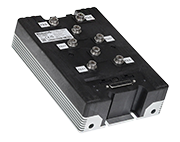
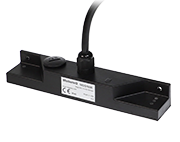
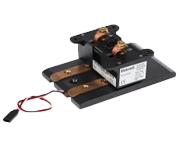
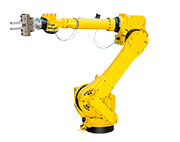
Industrial Robotics Equipment for Automated Production Systems
Robotics is the use of industrial robots on factory floors, in warehouses, and even in operating rooms. Robots are automated, programmable, and capable of moving on three or more axes. In industrial environments, robotics systems help improve speed, repeatability, safety, and productivity by performing tasks that require consistent motion, precise positioning, or continuous operation.
There are many different types of automation applications that industrial robots are equipped to handle. They are designed with specific tasks in mind, such as welding, material handling, packaging, pick and place, dispensing, cutting, assembly, and machine tending. Automated guided vehicles, or AGVs, are commonly used in warehouse and production environments to move materials between workstations, storage areas, and production lines with minimal manual handling.
Industrial robotic manufacturing technology is becoming safer and more adaptable. Cameras, navigation sensors, and automatic shutoff capabilities enable robots to detect objects, navigate changing environments, and operate more safely around people and equipment. Improvements in battery-operated robots and power management systems are also contributing to the "lights out" production concept, where manufacturing activities are highly automated and can operate around the clock with limited direct human intervention.
When selecting robotics equipment, key considerations include payload capacity, reach, axis configuration, speed, repeatability, safety requirements, navigation method, power requirements, and integration with existing control systems. The right robotics solution can reduce labor-intensive tasks, improve throughput, minimize handling errors, and support more flexible production workflows.
The increase in robotic functionality for manufacturing automation delivers a strong return on investment. Significant gains in profitability as a result of robotic efficiency, consistency, and productivity have made industrial robots increasingly valuable for manufacturers, warehouses, and facilities looking to improve operational performance.
Frequently Asked Questions
Do robotics systems need regular maintenance?
Yes, maintenance for robotics systems typically includes checking mechanical components, sensors, batteries, cables, safety systems, software settings, and motion accuracy. Regular maintenance helps reduce downtime and maintain reliable operation.
Can robotics equipment integrate with existing automation systems?
Yes, robotics equipment can often integrate with PLCs, sensors, conveyors, machine controls, safety systems, and warehouse management systems. Integration depends on communication protocols, control requirements, and the specific automation task.
What is robot payload capacity?
Payload capacity is the maximum weight a robot can safely carry, including the part, gripper, tooling, cables, and any fixtures attached to the arm. Selecting the correct payload rating is important for maintaining accuracy, speed, and mechanical reliability.