
Audible Signaling Devices
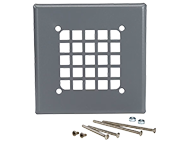
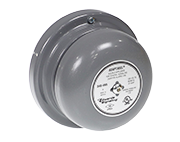
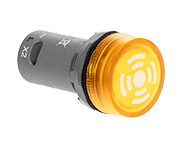
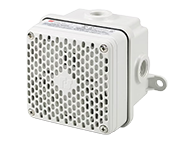
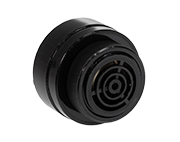
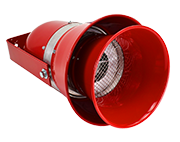
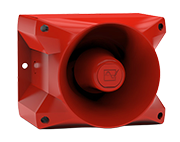
Types of Audible Signaling Devices
Audible signaling devices provide sound-based alerts for abnormal conditions, safety events, and process notifications. They are commonly used where visibility is limited or where ambient activity requires a clear attention signal.
- Horns and sounders for high-attention alarms on equipment and work cells.
- Buzzers for local panel or enclosure notifications.
- Multi-tone or selectable-tone devices for differentiating alert types.
For light-based status indication, compare Visual Signaling Devices. For broader options across signaling, review Signaling Devices.
Key Selection Criteria for Audible Signaling Devices
- Sound output (dB rating) and audibility in the target environment.
- Tone type and differentiation (steady, pulsed, multi-tone).
- Voltage and control method (AC/DC, trigger method, wiring requirements).
- Environmental suitability (indoor/outdoor exposure, dust/moisture).
- Mounting style, coverage area, and placement near personnel.
Choosing a device with adequate output and the right tone pattern helps reduce missed alerts and improve response time.
Frequently Asked Questions
How loud should an audible signaling device be for industrial environments?
Select a device that can be clearly heard above ambient noise at the point of use, compare dB ratings along with mounting location, distance to personnel, and whether the alarm must be heard across a larger area.
When should I choose audible signaling instead of visual signaling?
Audible alerts are preferred when personnel may not have line-of-sight to the equipment. For continuous status indication, visual signaling devices are often a better fit.
What specifications matter most when comparing audible alarms?
Start with dB output and tone options, then confirm voltage/control requirements and environmental suitability for where the device will be installed.