
Power Modules
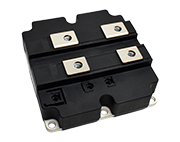
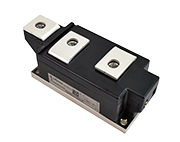
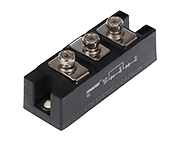
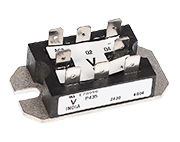
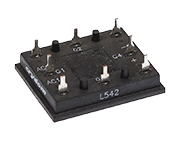
Power Modules
A power module is an electrical component that integrates multiple power semiconductor devices into a single package, facilitating power conversion and control functions in industrial equipment. Power modules combine separate devices, such as MOSFETs, IGBTs, rectifiers, and PWM controllers, to support efficient energy transfer within power systems. The circuit arrangement determines how the power module operates in its application.
Because of their low cost compared to wiring each individual component separately, power modules are widely used for power conversion in equipment likemotor drives, power supplies, and industrial power electronics, where high power handling and compact assembly are important. If you're selecting motor starting equipment, see Soft Starters.
Types of Power Modules
- Power modules used for switching and power conversion in drive systems.
- Modules designed to simplify assembly and reduce wiring complexity in power electronics.
- Power modules selected for applications where thermal performance is a key consideration.
Key Selection Criteria for Power Modules
Choosing the correct power module requires evaluating several technical factors:
- Voltage and current ratings compatible with the application.
- Switching characteristics appropriate for the drive or power conversion design.
- Thermal performance requirements and mounting method for heat management.
- Package type and mechanical fit within the assembly.
- Isolation, gate drive, and interface requirements where applicable.
To confirm electrical behavior during development or troubleshooting, review Oscilloscopes and Power Monitoring. Selecting a properly rated module and matching it to thermal design constraints helps support reliability and long-term performance.
Frequently Asked Questions
What are power modules used for in industrial applications?
They are used for power conversion and control in equipment such as motor drives, power supplies, and other industrial power electronics where high power handling is required.
What specifications should I compare first for a power module?
Start with voltage and current ratings, then evaluate switching behavior and package requirements based on how the module will be used in the system design.
How do I select a module for thermal and reliability needs?
Review thermal characteristics and mounting requirements, then ensure your heat management approach and operating conditions align with the module's ratings and application needs. For measurement and verification workflows, Power Monitoring can support system checks.
