
Thermal Imaging Cameras
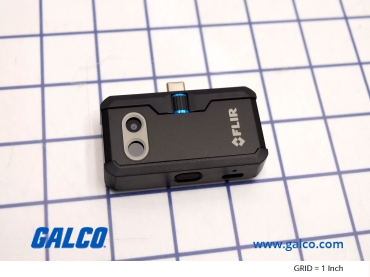
Types of Thermal Imaging Cameras
Thermal imaging cameras visualize temperature differences to support inspection and troubleshooting workflows. They are commonly used in electrical and mechanical maintenance to identify abnormal thermal patterns.
- Portable thermal imaging cameras designed for field inspections.
- Thermal cameras intended for repeatable documentation and reporting workflows.
- Models selected for maintenance routes where usability and durability matter.
For temperature-only verification, compare thermometers. For documenting electrical behavior over time, compare power monitoring.
Key Selection Criteria for Thermal Imaging Cameras
- Resolution and image clarity appropriate for your inspection needs.
- Temperature range and sensitivity suitable for the application.
- Focus behavior and usability for capturing clear images.
- Storage and export needs for reporting and documentation.
- Portability and durability for field environments.
Selecting a thermal camera aligned to the inspection workflow supports clearer troubleshooting and more repeatable documentation.
Frequently Asked Questions
What are thermal imaging cameras used for in maintenance work?
They are used for inspection and troubleshooting, where temperature differences help identify abnormal patterns and support maintenance decisions. For complementary visual inspection in tight areas, compare borescopes.
What should I compare when choosing a thermal camera?
Compare resolution and temperature range first, then evaluate sensitivity, usability, and whether you need storage and export for reporting. If you only need numeric temperature readings, compare thermometers.
When is higher resolution worth it?
Higher resolution can be worth it when you need clearer detail at a distance, when targets are small, or when documentation quality is important to your workflow. For broader documentation workflows that involve logging over time, compare data acquisition.
